- Home
- Publications
- Books in English
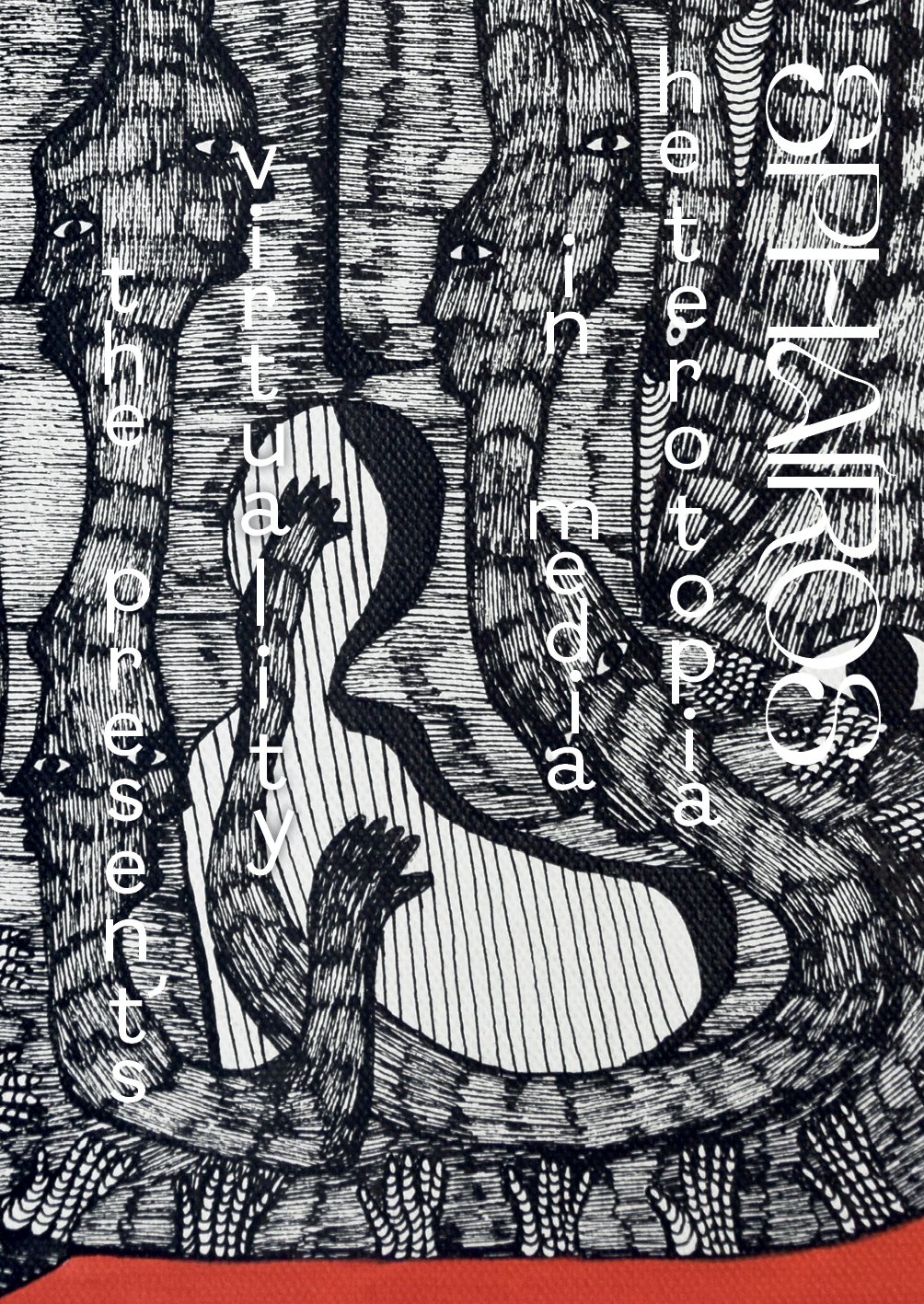
- SPHAIROS 15: The Present’s Virtuality in Media Heterotopia





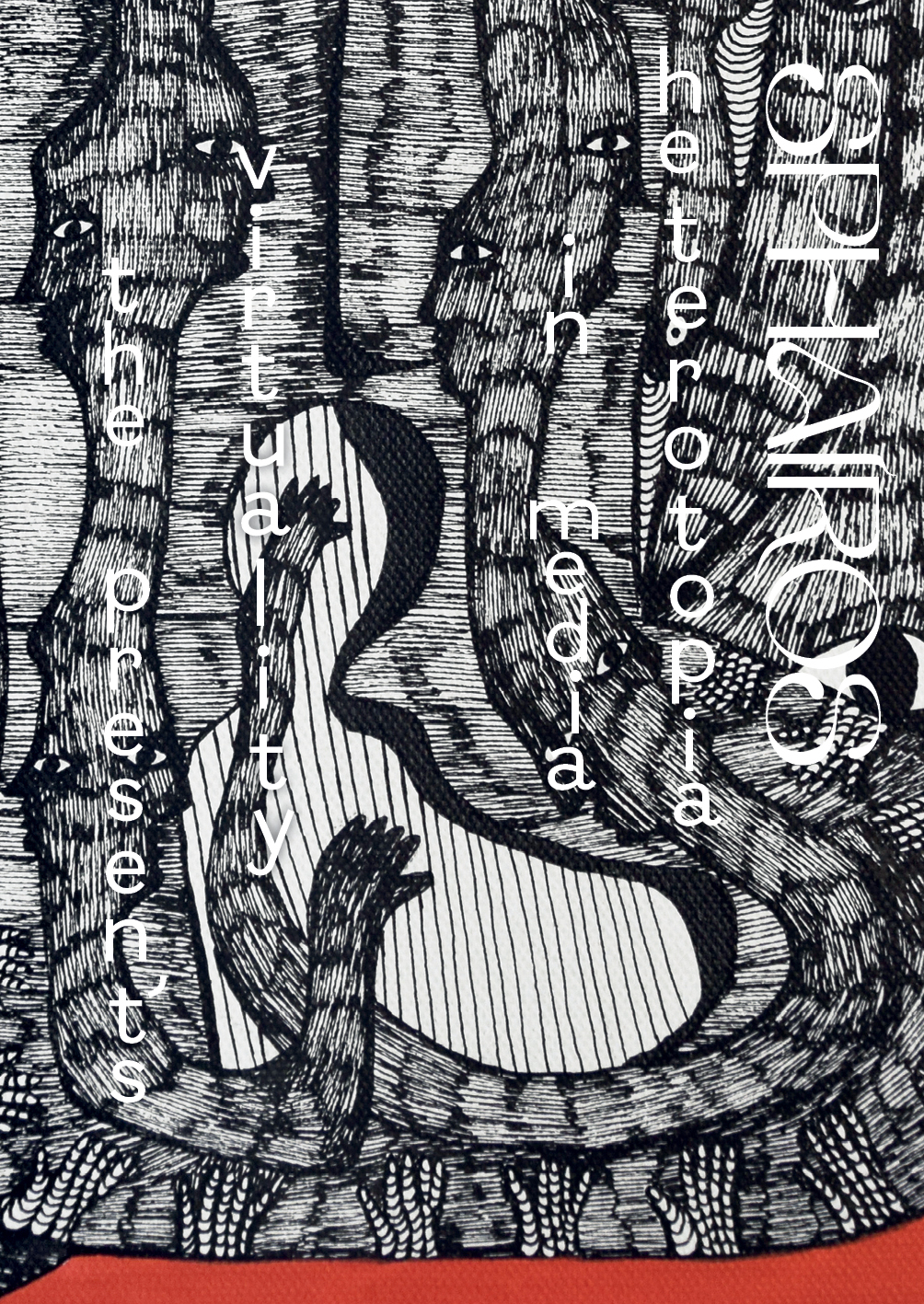
SPHAIROS 15: The Present’s Virtuality in Media Heterotopia
 Editor-in-chief: Rita Repšienė
Price 14,- €
2024 • LKTI • soft covers • 17 × 24 cm • 184 p. • Ilustrations • Publication in English • ISSN 2029-8560 • eISSN 2783-5529
In an increasingly virtual present, we are living through a time of challenges shaped by media heterotopia. The digital world is altering our choices, questioning our hierarchy of priorities and values, and offering us the possibility of becoming integral participants in our own existential reality. In this issue, Lithuanian art historians, philosophers, and cultural researchers discuss the opportunities opened by innovation and possible collaboration with artificial intelligence. They are joined by self-taught artists such as Iranian artist Samaneh Atef, who previously studied computer engineering, as well as a Peruvian shaman and a Canadian Inuk hunter-turned-artist.
By defining the consequences of the revolution initiated by AI, Rita Repšienė draws on the contemporary incarnation of the canonical mythical hero Prometheus, who, like a new Frankenstein, embodies the (trans)formations of the 21st century. Predicting the future, Margarita Matulytė discusses the futuristic scenarios created in photography by Lithuanian artists Vitalijus Butyrinas, Audra Vau, Elena Grudzinskaitė, and DoDa, based on the posthumanist theories of Francesca Ferrando and Rosi Braidotti. In his article, Vytautas Rubavičius discusses AI as technological immortality and the end of humanity. Delving into whether artificial intelligence is capable of philosophical thought, Naglis Kardelis emphasizes that philosophical thinking is a rare and exceptional ability of the human mind and raises the more general question of whether there will be any areas of human activity left in the future in which artificial intelligence technology will not be able to replace humans.
In “Weeds (for the Natufians)” Lisa Robertson documents the archaeological excavation of the Natufian culture in the Levant (in what is now Gaza) by the British archaeologist Dorothy Garrod in the 1930s. Employing a critical feminist approach to the appropriation of images of the Virgin Mary’s body as a form of self-empowerment, Eglė Elena Murauskaitė, in her article seeks recognition of conscious choice in relation to both her own body and the bodies of others. This edition also features a conversation between Uruguayan artist, educator Luis Camnitzer and the Lithuanian born Colombian mathematician, politician Antanas Mockus.
We find ourselves at a crossroads of values: How can we preserve our originality, creative orientations, and capacity for critical reflection in the non-virtual reality?
Contributing cultural researchers and artists: Samaneh Atef, Naglis Kardelis, Lisa Robertson, Rita Repšienė, Luis Camnitzer, Antanas Mockus, Eglė Elena Murauskaitė, Pablo Amaringo, Vytautas Rubavičius, Margarita Matulytė and Pudlo Pudlat
Editor-in-chief: Rita Repšienė
ISSN: 2669-2988
Year: 2024
Publisher: Lithuanian Culture Research Institute
Language: English
Format/pages: softcover / 184 pages

Address: Saltoniškių g. 58,
LT-08105, Vilnius
Į. k. 111961791
Tel./fax. +370 5 275 1898
Email: LKTI@LKTI.LT